Elevate Your Miami Project: Choosing the Best Pro Facade Installer for Wood Ceilings & Aluminum Fabrication
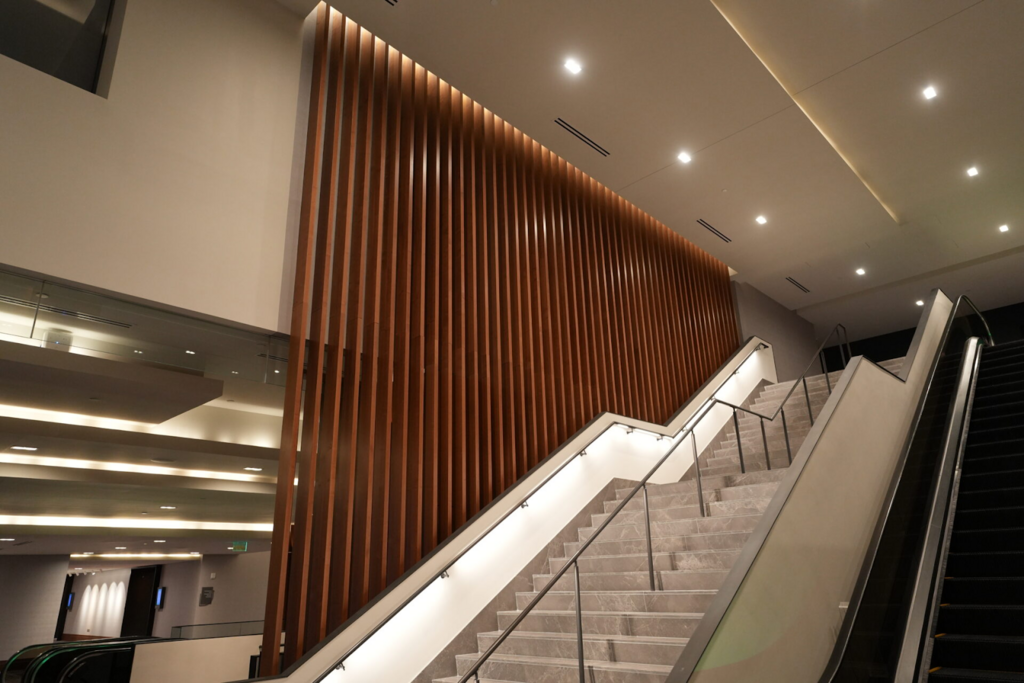
Planning a high-end commercial or residential build in Miami? Your façade and ceiling features are more than just surface details—they’re essential to long-term performance, durability, and curb appeal. In a city exposed to humidity, salt air, and intense sun, you need an installer who knows how to balance aesthetics with engineering.
This guide shows you what to look for in a professional installer, with a sharp focus on wood ceilings and aluminum fabrication, two materials that blend beauty with durability.
Why Façade and Ceiling Design Matters in Miami
In Miami, building envelopes and ceiling systems face more than average wear and tear. These components must:
- Withstand tropical storms and high winds
- Resist corrosion from salt air
- Minimize heat gain and manage moisture
- Deliver a visually polished, high-end look
Poorly installed systems lead to leaks, warping, discoloration, and constant maintenance. A pro installer makes sure that doesn’t happen.
Design-Driven Process: The First Step
An experienced installer starts with smart design, not just tools and materials. Here’s what that means:
- Custom concepts for aluminum cladding and wood ceilings
- Digital renderings and drawings to show how materials align
- Attention to transitions, reveals, and joint spacing
- Material specs suited for coastal climates
If your installer doesn’t offer design input, it’s time to keep looking.
Engineering for Safety and Compliance
Your ceiling and façade must be built to handle Miami’s environment. Engineering is non-negotiable:
- Structural calculations for wind and load-bearing conditions
- Thermal expansion gaps and joint flexibility
- Weatherproofing and drainage integration
- Compliance with Florida Building Code and Miami-Dade wind load requirements
Solid engineering prevents future failures.
Why Wood Ceilings Are a Strong Choice
Wood ceilings elevate both interior and covered exterior spaces. They create warmth and texture but need special care in coastal zones:
- Choose moisture-resistant hardwoods or engineered wood
- Apply UV-blocking sealants or marine-grade finishes
- Design for air movement and water drainage
Professional installers understand the moisture movement of wood and how to fasten planks or slats securely while allowing for natural expansion and contraction.
Why Aluminum Fabrication Is Ideal for Façades
Aluminum offers unmatched flexibility, especially for exterior cladding and sun control systems:
- It won’t rust or rot
- It accepts powder coat, anodized, or custom finishes
- It can be shaped into perforated screens, louvers, or panels
In expert hands, aluminum fabrication can produce clean lines, strong joints, and weather-tight systems that last decades.
The Value of Precision Fabrication
What separates good projects from great ones? Fabrication.
For Aluminum:
- CNC-cut parts, formed and welded with tight tolerances
- Uniform coatings applied in controlled environments
- Mounting hardware that resists corrosion
For Wood:
- Slats or panels pre-milled and finished off-site
- Custom profiles, baffles, or coffered patterns
- Factory-controlled finishing that prevents blotches and peeling
Look for installers with in-house fabrication or strong control over their production partners.
Installation: Where Skill Shows
Final execution is what your clients and tenants see. A top-tier installer focuses on:
- Seam alignment and fastener concealment
- On-site coordination with electricians, HVAC, and lighting
- Detailed layout using lasers, jigs, and templates
- Clean transitions between wood and metal elements
Good crews don’t just build—they manage the site, minimize waste, and leave you with a polished finish.
Vetting a Façade Installer: 6 Questions That Matter
- Do you offer design, engineering, and install in one package?
- What’s your experience with wood ceilings and aluminum fabrication?
- Can I see examples or references of local projects?
- How do you handle salt air, humidity, and wind load in your systems?
- Do you fabricate in-house or subcontract?
- What kind of warranties and maintenance plans do you offer?
These answers separate real pros from basic contractors.
Blending Wood and Aluminum Systems
Often, high-end projects combine both materials. A covered patio might feature a wood ceiling with aluminum fascia and soffits. A commercial entry might mix timber slats with perforated aluminum sunshades.
Integration matters:
- Reveal lines should align across materials
- Color and tone should complement, not clash
- Drainage and flashing must be continuous
Mockups that show junctions between the two materials are essential.
Miami-Specific Factors to Consider
Only a local expert truly understands the environmental and code challenges unique to Miami:
- Hurricane anchoring and uplift resistance
- Corrosion-proof hardware and coatings
- UV-resistant sealers and finish systems
- Fast lead times to match Miami’s fast-paced development cycles
Insist on local references—not just flashy portfolios from out-of-state.
Sample Project Flow (Simplified)
- Concept Review: 3D modeling of ceilings and façade systems
- Engineering Approval: Structural drawings and calculations
- Material Mockups: Side-by-side comparisons
- Fabrication: Precise cutting, coating, packaging
- On-Site Coordination: Sequenced install with other trades
- Final Walkthrough: QC, adjustments, and handover
Final Takeaways
The right façade installer isn’t just a builder—they’re a strategic partner. For your Miami project to succeed, especially when using premium materials like wood ceilings and aluminum fabrication, you need someone who gets it all:
- Local climate and codes
- Design integrity and visual detailing
- Fabrication precision
- Flawless installation
If your installer can’t deliver all four, keep looking.
Want help reviewing drawings or preparing an RFP for a ceiling or façade package? Let’s make your Miami project shine from the outside in.