When Does It Make Sense to Replace Your Home’s Water Heater?
Post Preview
Key Takeaways
- Water heaters typically last 8-12 years; knowing when to replace them prevents disruption and unexpected repair costs.
- Warning signs, such as inconsistent temperatures, rusty water, unusual noises, and leaks, should not be ignored.
- Upgrading to a modern water heater can offer significant energy savings and improved performance.
- Weighing repair costs against replacement and choosing the right system type ensures optimal value and comfort.
Table of Contents
- Signs Your Water Heater May Need Replacement
- Energy Efficiency Considerations
- Repair vs. Replacement: Making the Right Choice
- Choosing the Right Replacement
- Conclusion
Knowing when to replace your home’s water heater can save you from unexpected breakdowns and costly emergency repairs. Most units have a lifespan of about 8 to 12 years, depending on the type, maintenance routine, and water quality. Warning signs, such as inconsistent water temperature, unusual noises, rust-colored water, or leaks near the base, are often indicators that your system is nearing the end of its service life. Proactively addressing these issues can prevent larger problems and ensure your household always has a reliable supply of hot water.
When replacement becomes the best option, working with experienced professionals ensures a smooth transition and optimal performance. Experts offering electric water heater services in Lehi can help you assess your current system, recommend energy-efficient models, and perform installations safely and efficiently. Their expertise ensures proper setup, compliance with safety standards, and long-term efficiency, giving you confidence that your new water heater will perform reliably for years to come.
Signs Your Water Heater May Need Replacement
Several key indicators can signal it’s time for a new water heater:
- Age of the Unit: Most traditional tank-style heaters deliver reliable service for 8 to 12 years. If your model has reached or exceeded this lifespan, scheduling an inspection is a wise move before more significant failures occur.
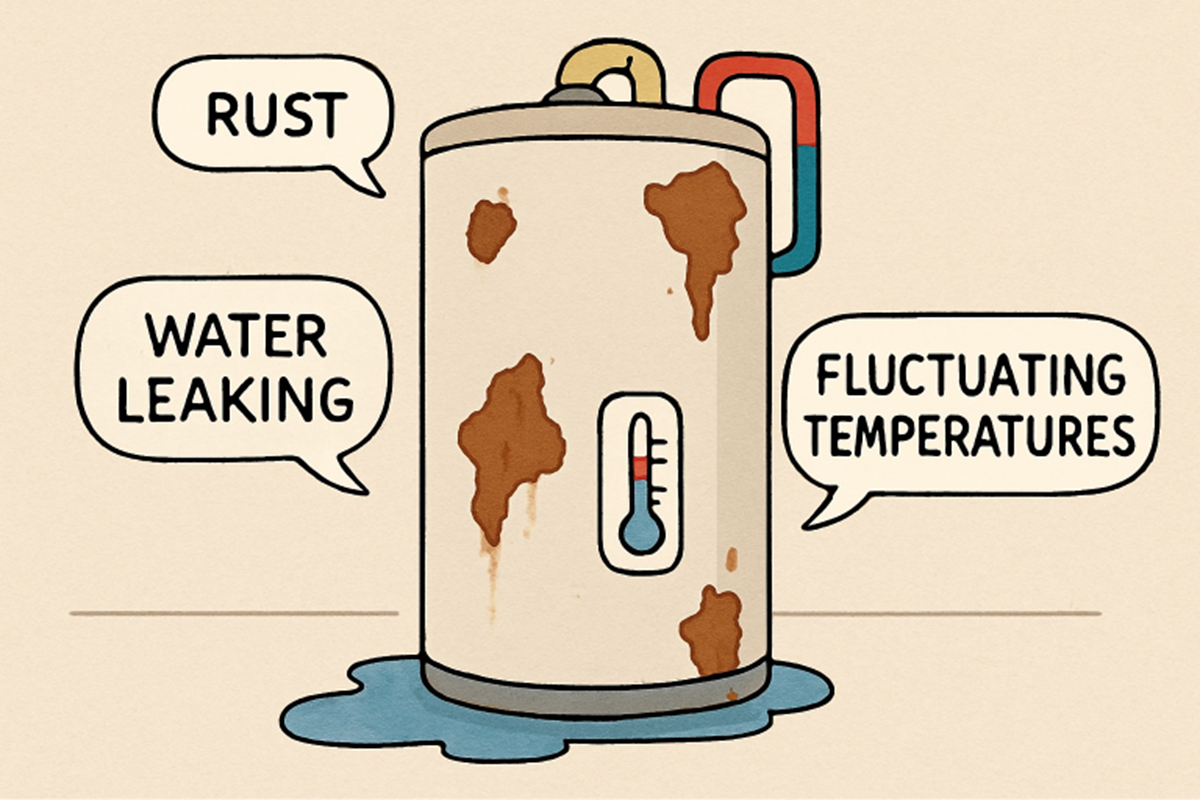
- Inconsistent Water Temperature: Unpredictable hot water can be a symptom of a worn-out heating element or accumulating sediment, both of which hinder performance and efficiency.
- Rusty or Discolored Water: Corrosion inside the tank may cause discolored water or a metallic taste, which often indicates irreversible internal degradation.
- Unusual Noises: Popping, rumbling, or banging noises typically mean sediment has hardened at the bottom of the tank, reducing efficiency and increasing wear.
- Leaks Around the Base: Pooled water near the base indicates a likely tank crack or failing seal, which nearly always requires replacement rather than repair.
Energy Efficiency Considerations
Water heaters account for roughly 18% of a household’s energy use. As units age, they lose efficiency—requiring more energy to produce the same amount of hot water. This inefficiency manifests in higher utility bills and potential hot water shortages during peak demand. New models, especially those bearing ENERGY STAR certification, offer advanced insulation, smart thermostats, and faster heating cycles that can reduce energy use by 10–50%, resulting in substantial savings over a decade.
If you’ve noticed rising energy bills or have a system that’s 10 years old or older, comparing energy ratings on new models is beneficial. The U.S. Department of Energy offers a comprehensive overview of ways to maximize water heater efficiency and what to consider during replacement.
Repair vs. Replacement: Making the Right Choice
Whether to repair or replace hinges on a blend of age, repair frequency, and overall condition:
- Age and Condition: If your heater is under six years old with minimal issues, repairs such as replacing thermostats or heating elements may offer a cost-effective solution. Conversely, older units afflicted with regular issues usually warrant an upgrade to avoid the compounding costs of ongoing fixes.
- Cost of Repairs: A good rule of thumb: if repair costs reach 50% or more of a new unit’s price, replacement is generally more economical.
- Energy Efficiency: Don’t overlook the potential for substantial savings from high-efficiency replacements; lower monthly bills often offset initial upgrade expenses within a few years.
Consulting a Professional
Having a licensed plumber evaluate your current setup helps clarify your best course of action. They can identify hidden issues, conduct energy audits, and explain the specific benefits of each replacement option tailored to your home’s needs.
Choosing the Right Replacement
When it’s time to install a new water heater, you’ll want a system that aligns with both your hot water use and budget. Evaluate the following criteria carefully:
- Type: Options range from traditional tank models that store and maintain hot water, to tankless (on-demand) models that heat water as needed, to hybrid heat pump water heaters that can offer the highest efficiency but require more space.
- Capacity: Assess your household size and peak usage patterns to ensure your new water heater is neither undersized nor wastefully oversized.
- Energy Efficiency: Look for units with high Energy Factor (EF) ratings or ENERGY STAR® labeling to maximize savings and reduce environmental impact.
Maintenance Tips for Longevity
Extending the lifespan of your new water heater is as simple as performing annual maintenance, which includes flushing sediment, inspecting the pressure relief valve, and checking the anode rod for corrosion.
Conclusion
Proactive attention to water heater performance and age minimizes the risk of disruptive breakdowns, ensuring steady access to hot water. By recognizing when to replace your unit—whether for reliability, efficiency, or cost—you maintain optimal home comfort and avoid the headache of emergency repairs. Regular maintenance and professional guidance pave the way for a seamless, energy-efficient upgrade that meets your family’s needs for years to come.