How To Store Diabetic Test Strips For Accurate Readings?
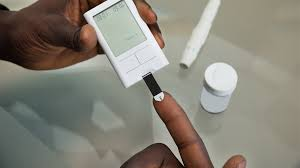
Diabetic test strips are essential tools for monitoring blood sugar levels, and their accuracy directly affects daily health decisions. However, many people are unaware that how these strips are stored can significantly affect their performance. Test strips contain delicate chemical enzymes that react with glucose in the blood. When exposed to heat, moisture, or air, these enzymes can weaken, leading to unreliable readings. Proper storage protects their effectiveness and ensures each test provides an accurate snapshot of blood sugar levels. For anyone who ends up with unopened boxes due to prescription adjustments or meter changes, More Cash For Test Strips can help turn those extra supplies into a cost-saving advantage while keeping them in active use.
Why Storage Matters?
Each diabetic test strip is designed to work under specific conditions. The chemicals in the strip must remain stable in order to generate accurate results when used with a glucose meter. If the strips are damaged, the meter may:
- Display inaccurate readings.
- Produce error messages.
- Require repeated testing.
Inaccurate readings can lead to serious health risks. For example, someone might take insulin when they don’t need it or skip insulin when their blood sugar is actually high. Proper storage protects your safety as much as it protects the strips themselves.
Store Strips In A Cool, Dry Place
The two main variables that impact test strip accuracy are temperature and humidity. Strips should be stored in a place that maintains a consistent, moderate temperature. Avoid leaving them:
- Near windows or direct sunlight.
- In cars.
- In bathrooms where humidity changes frequently.
- Near stoves, radiators, or heating vents.
A bedroom drawer, pantry shelf, or medication cabinet (away from steam) is usually a reliable storage spot.
Retain The Strips In Their Original Packaging
The container that test strips come in is specially designed to protect them from air and moisture. Never transfer them to another bottle, bag, or loose holder. Once the original container is opened, always close the cap tightly immediately after removing a strip. Even a few seconds of exposure can begin to break down the chemical coating inside the strip.
Do Not Store Strips In Refrigerators Or Freezers
Some people assume that storing test strips in a cold place will help preserve them. However, cold temperatures can degrade the strips just as much as heat. Refrigerators and freezers also introduce moisture, which can cause strips to clump together or become ineffective. Room temperature storage is best.
Avoid Touching The Test Area
Hold only the corners of a test strip when you remove it from the container. Touching the white or reactive area of the strip can leave oils, lotions, or residue that may interfere with the glucose reaction. Clean, dry hands are necessary for accurate testing and proper handling of strips.
Track Expiration Dates
Even perfectly stored test strips have a limited shelf life. The length of time the enzymes are anticipated to remain dependable is indicated by the expiration date printed on the bottle. Once that date passes, accuracy is no longer guaranteed. Always check expiration dates before testing and use older strips first to avoid waste.
Make Storage Travel-Friendly
People often need to test on the go. When traveling:
- Use a small, insulated travel case to maintain a stable temperature.
- Keep strips in carry-on luggage rather than checked baggage
- Avoid leaving test supplies in parked cars
Travel environments can create quick temperature shifts, so a protective case can make a big difference.
Pay Attention To Meter And Strip Compatibility
Even well-stored strips can produce unreliable results if they are used with the wrong meter. Always use test strips made for your specific glucose meter model. Mismatched products can give inconsistent or inaccurate readings.
Final Thoughts
Accurate blood sugar monitoring relies on test strips that are stored correctly and handled with care. By keeping strips in their original sealed container, protecting them from heat and moisture, and using them before they expire, individuals can ensure each test provides meaningful, reliable information. Thoughtful storage habits support better health decisions—and ultimately, better diabetes management.