Chai Poetry in Urdu – Best 2 Line Shayari Collection
Tea is more than just a drink in Pakistan and many other countries. It is a feeling, a habit, and a part of daily life. Many people start their day with a cup of tea and end their evening with another. Because tea has such a special place in people’s hearts, poets have written countless beautiful verses about it. That is why Chai Poetry in Urdu has become very popular among poetry lovers and tea enthusiasts.
Whether you enjoy tea on a rainy day, with friends, or while sitting alone and thinking about life, chai poetry helps express those emotions. Urdu poetry has always been known for its beauty, and when combined with the warmth of tea, it creates something truly special.
In this article, we will explore the charm of chai poetry, its popularity, different themes, and why tea lovers enjoy sharing poetry related to their favorite drink.
What Is Chai Poetry in Urdu?
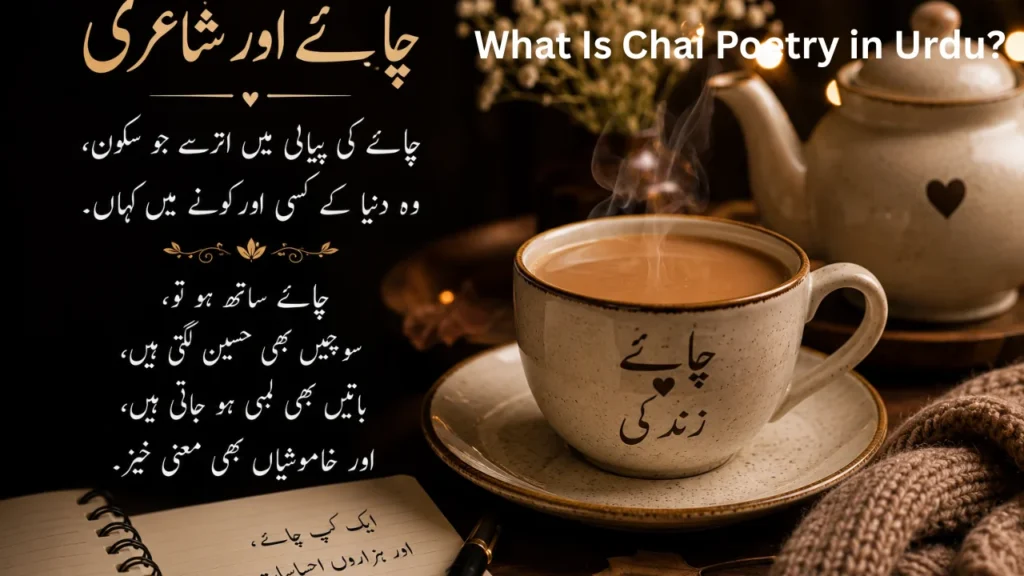
Chai Poetry in Urdu is a collection of poetic lines, shayari, and quotes that express feelings connected with tea. These feelings may include love, friendship, loneliness, happiness, memories, and relaxation.
Tea often becomes a symbol in poetry. It represents comfort, peace, and meaningful conversations. Many Urdu poets use tea as a way to describe emotions that are difficult to express directly.
People love reading chai poetry because it feels relatable. Most readers can connect their own experiences with the words written in these poems.
Why Chai Poetry Is So Popular
Tea is one of the most consumed beverages in South Asia. It is part of daily routines and social gatherings. Because tea is deeply connected with people’s lives, poetry about tea naturally gains attention.
Another reason for its popularity is social media. Platforms like Facebook, Instagram, WhatsApp, and Pinterest are filled with tea-related quotes and poetry. Users enjoy sharing short and meaningful lines with friends and family.
Many people also use chai poetry as status updates. These poetic lines often receive strong engagement because they connect with common emotions.
Chai Poetry in Urdu and Love
Love is one of the most common themes in Urdu poetry. Tea often appears in romantic poetry because it creates a cozy and emotional atmosphere.
A simple cup of tea shared between two people can become a symbol of affection and care. Poets frequently describe tea as a companion during moments of love and longing.
Romantic chai poetry often talks about spending evenings together, sharing conversations, and creating memories over tea. These simple moments become unforgettable through beautiful words.
Chai Poetry in Urdu About Friendship
Friendship and tea have a strong connection. Many friendships grow stronger through casual tea gatherings and long conversations.
Friends often meet at tea stalls, cafes, or homes to discuss life, dreams, and challenges. This bond inspires many poets to write about friendship and tea.
Poetry about friendship reminds readers of the joy of spending time with close companions. It celebrates laughter, trust, and unforgettable moments shared over a cup of tea.
The Connection Between Tea and Rain
Rain and tea form one of the most loved combinations. Whenever it rains, many people immediately think about making a hot cup of tea.
Poets have captured this feeling beautifully in their writings. Rainy weather creates a peaceful mood that inspires reflection and creativity.
Tea becomes a perfect companion during these moments. As a result, many famous chai poems focus on rainy days, cool breezes, and quiet evenings.
Chai Poetry in Urdu for Lonely Moments
Not every poem about tea is cheerful. Sometimes tea becomes a companion during lonely moments.
People often sit alone with a cup of tea while thinking about memories, missed opportunities, or loved ones who are far away.
Many Urdu poets use tea as a symbol of comfort during difficult times. These poems help readers feel understood and less alone.
This emotional connection makes chai poetry deeply meaningful for many people.
Chai Poetry in Urdu for Social Media Status
Social media has played a major role in the popularity of chai poetry. Short and expressive poetry works well as captions and status updates.
People often share tea-related poetry along with pictures of their favorite tea cups. These posts attract attention because they combine visual appeal with emotional words.
Some users prefer romantic tea poetry, while others enjoy humorous or motivational lines. This variety keeps chai poetry fresh and engaging.
Different Types of Chai Poetry
Chai poetry comes in many styles. Each style appeals to different readers.
Romantic Chai Poetry
This type focuses on love, relationships, and emotional connections. It often describes memorable moments shared over tea.
Sad Chai Poetry
Sad poetry uses tea as a symbol of loneliness, heartbreak, and remembrance. These poems often carry deep emotions.
Friendship Chai Poetry
Friendship-based poetry highlights meaningful conversations and happy moments with friends.
Funny Chai Poetry
Humorous tea poetry brings smiles to readers. It often includes jokes about tea addiction and daily tea habits.
Motivational Chai Poetry
Motivational poetry uses tea as a symbol of energy, positivity, and fresh beginnings.
Why Urdu Is Perfect for Chai Poetry
Urdu is known for its expressive and elegant style. It allows poets to describe emotions with great beauty and depth.
Many words in Urdu carry rich meanings that create strong emotional impact. This makes Urdu an ideal language for poetry.
When tea becomes the subject, Urdu poetry adds warmth and charm that readers appreciate. The combination of tea and Urdu poetry feels natural and timeless.
Benefits of Reading Chai Poetry
Reading chai poetry offers several benefits beyond entertainment.
It helps people relax after a busy day. The simple and relatable themes create a sense of comfort.
Poetry also improves language skills and introduces readers to creative expressions. Many people develop a greater appreciation for Urdu literature through tea-related poetry.
Most importantly, chai poetry helps readers connect with emotions and experiences they may not easily express themselves.
How to Share Chai Poetry Effectively
If you enjoy sharing poetry online, there are several ways to make your posts more appealing.
Choose poetry that matches your mood or the occasion. Pair it with a high-quality image of tea for better engagement.
Keep captions simple and meaningful. Readers often prefer short poetry that delivers a clear emotional message.
You can also create collections of your favorite tea poetry and share them with friends and family.
Famous Themes Found in Chai Poetry
Many recurring themes appear in chai poetry.
One popular theme is nostalgia. Poets often remember old days, childhood memories, or past relationships through tea.
Another common theme is companionship. Tea is frequently described as a trusted friend during both happy and difficult times.
Hope and peace are also important themes. A warm cup of tea often symbolizes comfort and fresh beginnings.
These universal themes help chai poetry remain relevant across generations.
The Growing Popularity of Chai Poetry Online
The internet has given chai poetry a much larger audience. Websites, blogs, and social media platforms regularly publish new collections.
Tea lovers actively search for poetry that reflects their emotions and experiences. This demand continues to grow every year.
Many content creators now focus specifically on tea-related poetry because it attracts consistent interest from readers.
As a result, chai poetry has become one of the most searched categories in Urdu poetry.
Conclusion
Tea has a unique ability to bring people together, create memories, and provide comfort during every stage of life. This deep connection explains why Chai Poetry in Urdu continues to capture the hearts of readers around the world. From love and friendship to rainy days and quiet reflections, chai poetry expresses emotions in a simple yet powerful way. Whether you are a tea lover, a poetry enthusiast, or both, Chai Poetry in Urdu offers beautiful words that perfectly match the warmth of every cup of tea.