Cupping, Cavitation & Wood Therapy in Miami: A Straight-Talking Guide for Real Results
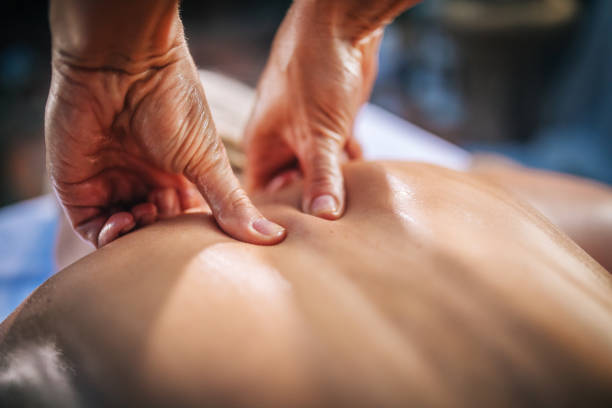
If you’re in Miami and typing “therapeutic massage near me” or “deep tissue massage” into your phone, you’re probably over the aches, the desk stiffness, or the stubborn areas that don’t budge. You want a session that does more than relax you for an hour—you want change you can feel. That’s where three targeted services come in: cupping therapy, ultrasonic cavitation, and wood therapy. Used alone, each has a clear purpose. Sequenced together, they can amplify relief, recovery, and contouring.
This guide breaks down what each service does, who it’s best for, how it feels, and how to combine them into a plan that makes sense for Miami life—traffic, heat, late nights, gym schedules and all. No hype, no jargon. Just a smart path from search to results.
Why Look Beyond a Standard Massage?
A classic relaxation massage is great when you need to decompress, but it won’t always handle chronic tightness, limited range of motion, fluid retention, or localized body-shaping goals. The right tools do. Here’s how these services stack:
- Deep tissue massage: Precise, slower pressure aimed at the deeper layers of muscle and fascia. It targets adhesions and stubborn knots from heavy training, long commutes, or hunching over a laptop.
- Cupping therapy: Instead of compressing tissue, it decompresses it—lifting the skin and fascia with gentle suction to improve glide and circulation.
- Ultrasonic cavitation: Non-invasive body contouring that uses ultrasound to act on localized fat in areas like the midsection, flanks, arms, or thighs.
- Wood therapy: Firm, rhythmic work with carved wooden tools to mobilize fluids, improve circulation, and help smooth the look and feel of tissue.
If “therapeutic massage near me” is your starting point, consider these as add-ons or anchors for a plan that delivers long-term results, not just short-term relief.
Cupping Therapy: Lift, Loosen, and Circulate
What it is: Cupping applies negative pressure with silicone or glass cups to gently lift tissue. Think of it as the opposite of pressing down—creating space where things feel glued together.
Why it helps:
- Fascia freedom: When fascia grips too tightly, muscles lose glide. The lifting effect of cupping helps unstick those layers.
- Circulation boost: Drawing blood to an area warms tissue, supports recovery, and can reduce that locked-up feeling in shoulders, traps, hamstrings, and lower back.
- Trigger point support: Cupping can soften a stubborn knot so deep tissue massage penetrates more effectively afterward.
What it feels like: A steady pull—mild to strong, not sharp. Cups may stay put or glide with oil for a myofascial release effect. Marks are common; they’re not trauma bruises, just temporary discoloration from local blood pooling that fades within a few days.
Good for: Desk neck, tech shoulders, post-lift stiffness, runners’ hamstrings and calves, and anyone who wants a fast way to loosen “stuck” areas.
Miami tip: If your week includes beach plans or backless outfits, schedule cupping two to three days before so any marks fade in time.
Ultrasonic Cavitation: Focused Contouring Without Downtime
What it is: Cavitation uses low-frequency ultrasound on targeted zones to act on the contents of fat cells, helping your body process them over time. No injections, no surgery.
Why people choose it:
- Spot focus: Handles areas that can be stubborn even with training and a balanced diet—lower abdomen, flanks, upper arms, inner thighs.
- Quick sessions: You’re typically in and out with minimal downtime.
- Visible over time: Best results build across a series, especially when you hydrate and move after appointments.
What it feels like: Warmth and vibration under the skin. Some people notice a faint ringing during the pass; it stops when the device lifts. Most return to work, errands, or a light walk immediately.
Expectations: Cavitation is not a one-and-done. It’s a series-based approach supported by water intake, movement (a 20–30 minute walk is perfect), and meals that don’t derail circulation or fluid balance. Pairing it with wood therapy can speed up fluid mobilization.
Miami tip: Book early morning or evening to avoid heat fatigue. You’ll want to walk afterward, and cooler air beats midday sun.
Wood Therapy: Rhythmic Tools for Smoother Flow
What it is: A set of contoured wooden instruments—rollers, cups, and shaping tools—used with oil for firm, consistent pressure. The goal is to stimulate circulation, mobilize fluids, and encourage a smoother look and feel.
Why it works:
- Consistency: Tools deliver uniform pressure you can’t always achieve with hands alone.
- Fluid movement: Great for temporary puffiness from salty meals, air travel, or long hours standing or sitting.
- Cavitation’s teammate: Many people schedule wood therapy in the same plan as cavitation to keep fluids moving and accelerate visible results.
What it feels like: Firm and rhythmic—purposeful but not pokey. You should feel invigorated and lighter, not battered. Communicate pressure preferences; this is meant to help, not bruise.
Miami tip: Between restaurant nights and humidity, it’s easy to retain water here. Wood therapy plus hydration and a lighter-sodium day can make a big difference.
Deep Tissue Massage: The Anchor Modality
If you search “deep tissue massage”, you’re likely chasing lasting relief. Deep tissue excels at:
- Addressing chronic neck, shoulder, and back tightness
- Freeing up hips and glutes that limit stride and squat depth
- Reducing post-workout soreness and improving recovery
- Restoring range of motion after long desk stretches or travel
Pro move: Pair deep tissue with cupping in the same session. Cupping lifts and warms the tissue; deep work then lands deeper with less resistance. If contouring is a priority, schedule deep tissue on a different day than cavitation to avoid overwhelming the area.
Smart Sequencing for Better Results
Relief & Mobility Plan
- Cupping to decompress and increase circulation
- Deep tissue massage to resolve adhesions and restore glide
- Aftercare: Hydration, light stretching, and a short walk
Sculpting & Contouring Plan
- Ultrasonic cavitation on the target area
- Wood therapy or gentle lymph-focused technique to mobilize fluids
- Aftercare: 20–30 minutes of walking, extra water, balanced meals
Hybrid Plan (Relief + Sculpting)
- Week A: Cupping + deep tissue (upper back, neck, hips)
- Week B: Cavitation + wood therapy (midsection or thighs
- Repeat for 4–6 weeks, then reassess
This approach turns a basic “therapeutic massage near me” search into a structured program, not a one-off hour.
What a First Visit Looks Like
- Consultation: Share goals—pain relief, mobility, sculpting, or a blend. Mention injuries, surgeries, medications, or sensitivities.
- Assessment: Posture check, range of motion, tissue feel. For cavitation, discuss candidacy and realistic zones.
- Session flow:
- Cupping: Stationary or gliding cups on tight areas.
- Deep tissue massage: Slower, targeted pressure with check-ins.
- Cavitation: Ultrasound device with gel, steady circular passes.
- Wood therapy: Rhythmic rolling and shaping to move fluids.
- Cupping: Stationary or gliding cups on tight areas.
- Aftercare: Hydration, light movement, spacing guidance between contouring and deeper work, and sun/heat notes if you had cupping.
Safety, Comfort, and Realistic Expectations
- Cupping marks: Normal and temporary. Avoid intense sun on the area for a day or two.
- Cavitation: Non-invasive, but results build gradually. Hydration and consistent sessions matter.
- Wood therapy: Firm, not painful. You’re in control—speak up about pressure.
- Deep tissue massage: Can be intense. Mild soreness after is common on your first few visits.
- Medical disclosures: If you’re pregnant, on blood thinners, or have active health issues or implants in treatment zones, share that during intake so the plan is adjusted or deferred.
- Lifestyle support: Water, sleep, and steps make every modality work better.
Miami-Specific Advice
- Beat the heat: Early or late sessions reduce fatigue and make post-visit walking easier.
- Plan around beach days: Schedule cupping earlier in the week if you’ll be in swimwear later.
- Traffic reality: Leave a buffer. Arriving rushed keeps your body in “fight mode,” which fights the work
- Salt watch: Restaurant-heavy weeks can spike water retention. Pair wood therapy with extra water and a low-sodium 24 hours for a noticeable difference.
Sample 90-Minute “Do-It-All” Session
- 10 minutes: Intake and quick mobility check
- 20 minutes: Cupping for upper back/hips to open tissue
- 30 minutes: Deep tissue massage to target neck, traps, glutes
- 20 minutes: Wood therapy on midsection or thighs
- 10 minutes: Aftercare plan—hydration, mobility drills, next steps
From there, add a cavitation series on separate days if sculpting is a priority. Keep the deep work and contouring spaced so your body can respond.
Building a Short Series That Works
Relief First (4 Weeks)
- Week 1: Cupping + deep tissue (60–90 minutes)
- Week 2: Deep tissue tune-up
- Week 3: Cupping + deep tissue
- Week 4: Deep tissue + mobility homework
Sculpting Focus (6 Weeks)
- Weekly cavitation on one zone + wood therapy the same day or 48 hours apart
- Daily walk: 20–30 minutes
- Hydration: 2–3 liters/day
- Meals: Lean proteins, colorful produce, and fewer salty add-ons
Hybrid (6–8 Weeks)
- Alternate relief week and sculpting week. This keeps you moving well while refining shape and texture.
Simple At-Home Habits That Multiply Results
- Neck/shoulder reset (desk people): Chin tucks, doorway pec stretch, and thoracic rotations—5 minutes total.
- Hips/glutes (lifters and runners): 90/90 hip switches, glute bridges, and slow lunges.
- Water on autopilot: Fill a large bottle twice per day.
- Walks you’ll actually take: Sunset on the bay, quick loop around the block, or treadmill incline while you catch a show.
- Sleep window: Aim for a consistent shut-eye time; recovery drives results.
Mini-FAQ
Will cupping replace deep tissue massage?
No. Cupping lifts and warms tissue; deep tissue massage follows to resolve adhesions and restore glide. They work better together than alone.
How soon do cavitation results show?
Some people feel clothes fit differently within a few sessions; visible changes usually build over multiple visits. Hydration and walking matter more than most people think.
Does wood therapy hurt?
It should feel firm and rhythmic, not sharp. If anything feels too intense, speak up—pressure is adjustable.
Can I work out after a session?
Light movement is great after cupping or wood therapy. After an intense deep tissue massage, give the area a day to settle. After cavitation, walking is ideal; save heavy lifts for tomorrow.
Can I combine all three in one day?
Cupping and deep tissue pair well. Wood therapy can be added thoughtfully. Cavitation is best on its own day or paired with wood therapy, not heavy deep work.
How to Choose the Right Spot—Anywhere in Miami
- Specialized training: Ask about specific training for cupping, cavitation, and wood therapy.
- Clear plan: You want sequencing and session pacing, not random add-ons.
- Real intake: Your goals, health history, and schedule should shape the plan.
- Hygiene and comfort: Clean tools, temperature control, and a calm setup matter.
- Straight talk: No miracle promises—just realistic timelines and measurable checkpoints.
Your Next Move
You searched “therapeutic massage near me” or “deep tissue massage” because you want consistent relief, better range of motion, and a shape that reflects your effort. Cupping therapy, ultrasonic cavitation, and wood therapy give you specific levers to pull—decompression, targeted contouring, and fluid mobilization. Stack them with intention, support them with simple habits, and you’ll feel the difference not just during the session, but in the days that follow.
Start simple:
- Pick your primary goal—relief, sculpting, or hybrid.
- Book an assessment-first session and map out 3–6 visits.
- Commit to the basics—walks, water, and sleep.
That’s the difference between a nice hour and real change. In a city that moves as fast as Miami, your plan should work just as hard as you do.