How Advanced Aircraft Systems Are Changing Air Travel
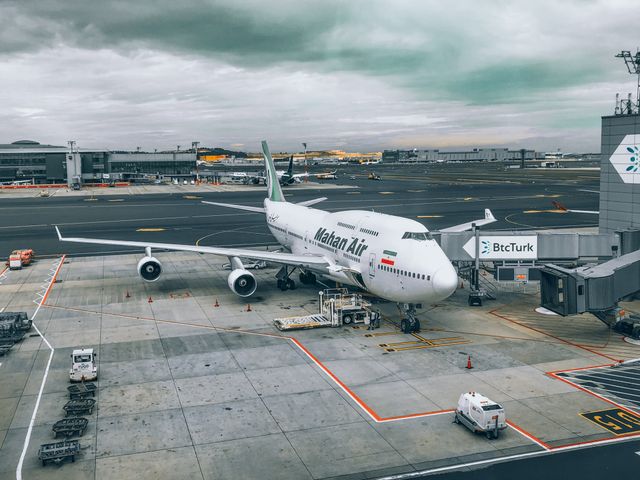
When was the last time you boarded a flight and wondered about the sophisticated technology working behind the scenes to keep that massive machine safely in the air? Modern aircraft represent some of the most complex engineering achievements in human history, and the systems that power them have undergone dramatic transformations over the past two decades. These advances are reshaping how airlines operate, how passengers experience flight, and how the aviation industry addresses safety, efficiency, and environmental concerns. Understanding these technological shifts reveals why today’s air travel looks and feels quite different from what passengers experienced just a generation ago.
1. Flight Management Systems and Automation
Modern aircraft rely heavily on advanced flight management systems that integrate navigation, guidance, and control functions into a single, unified platform. These systems use real-time data from multiple sensors, satellite positioning, and ground-based navigation aids to plot the most efficient flight paths while constantly monitoring aircraft performance. Pilots no longer need to manually perform calculations that previously required significant cognitive effort and time. Instead, they supervise automated systems that handle everything from determining optimal altitude and speed to adjusting course in response to weather patterns or air traffic control instructions.
The level of automation in today’s cockpits has reduced pilot workload considerably, allowing flight crews to focus on decision-making and safety monitoring rather than routine task execution. Modern autopilot systems can land aircraft in conditions where visibility is severely limited, using precision instrument landing systems that guide the plane to the runway with remarkable accuracy. This capability has significantly improved aviation safety and has allowed flights to operate on schedule even during weather conditions that would have forced delays or diversions in the past. The sophistication of these systems means that commercial aviation can maintain consistent service levels while prioritizing passenger and crew safety above all other considerations.
2. Advanced Materials and Aircraft Design
The aircraft being built today are constructed from composite materials that were simply not available or practical a few decades ago. These materials, such as carbon fiber reinforced polymers, are stronger than traditional aluminum while being substantially lighter. The weight reduction achieved through composite construction directly translates into reduced fuel consumption, lower operating costs, and decreased carbon emissions for every flight. Airlines operating newer aircraft with these advanced materials see tangible improvements in their bottom line while also making a measurable contribution to environmental sustainability.
Beyond composite materials, modern aircraft benefit from aerodynamic designs refined through computer simulations and wind tunnel testing that would have been impossible to conduct comprehensively before digital computing became widely available. Winglets, laminar flow designs, and optimized fuselage shapes all contribute to improved fuel efficiency and performance. The newest generation of commercial aircraft can achieve fuel burns that are 20 to 30 percent lower than aircraft from the previous generation, according to aircraft manufacturers’ specifications. This efficiency gain means fewer gallons of fuel burned per passenger mile, resulting in both economic savings for airlines and reduced environmental impact from aviation operations.
3. Avionics and Safety Systems
Avionics represent the electronic systems that monitor aircraft health, provide navigation guidance, and deliver critical safety information to pilots and ground personnel. Modern avionics packages include terrain awareness and warning systems, traffic collision avoidance systems, and weather radar that paint an incredibly detailed picture of the environment surrounding the aircraft at all times. These systems automatically alert pilots to potential hazards, whether those hazards are geographic obstacles, nearby aircraft, or dangerous weather formations ahead on the flight path. The integration of these safety systems has contributed to commercial aviation becoming one of the safest forms of transportation available.
Advanced avionics also provide comprehensive health monitoring of the aircraft itself, tracking the condition of engines, hydraulic systems, electrical systems, and structural components. This data flows continuously to ground-based maintenance centers, which can diagnose developing problems before they become serious issues. Predictive maintenance, enabled by these advanced monitoring systems, allows airlines to schedule repairs during convenient windows rather than responding to unexpected failures. Maintenance professionals sourcing components during overhaul workflows rely on affordable and quality aircraft parts for sale to keep fleets airworthy and minimize ground time, making rapid parts availability a practical necessity for modern fleet operations. The result is improved aircraft reliability, fewer flight disruptions, and reduced unplanned maintenance costs that benefit both airlines and passengers.
4. In-Flight Connectivity and Cabin Systems
The modern aircraft cabin has evolved into a sophisticated digital environment where passengers expect reliable internet connectivity and entertainment options that rival what they have at home. Advanced cabin systems manage cabin pressure, temperature, and humidity automatically, adjusting to altitude and external conditions to maintain passenger comfort throughout the flight. Wireless connectivity systems installed on modern aircraft allow passengers to remain connected throughout their journey, transforming how travelers use their time aloft. This connectivity also enables airlines to send real-time updates to passengers regarding their flight status and ground transportation arrangements.
Cabin lighting systems have advanced to use LED technology that can be programmed to support passenger circadian rhythms on long flights, potentially reducing jet lag effects. Modern seat designs incorporate features such as personalized entertainment systems, USB charging ports, and biometric sensors that track passenger comfort levels. Airlines are increasingly using these data points to understand passenger preferences and expectations, allowing them to refine their service offerings accordingly. The combination of advanced cabin systems and enhanced connectivity has transformed air travel from a purely utilitarian experience into one where passengers can remain productive, entertained, and comfortable throughout their journey.
5. Environmental and Efficiency Technologies
Aircraft manufacturers and operators are increasingly focused on reducing the environmental impact of aviation through technological innovation. Sustainable aviation fuels, developed from renewable sources such as agricultural waste or algae, can be blended with conventional jet fuel and used in existing aircraft without modification. Electric and hybrid-electric propulsion systems are under development for smaller regional aircraft, with several manufacturers targeting practical implementations within the next decade. These advances represent meaningful progress toward the aviation industry’s commitment to achieving net-zero carbon emissions by 2050, according to goals announced by major industry organizations.
On the operational side, advanced air traffic management systems optimize flight routing and spacing, reducing fuel consumption and emissions on every flight. Continuous descent approaches, where aircraft descend gradually rather than maintaining altitude before descending rapidly, consume less fuel and produce fewer emissions while also reducing noise in areas surrounding airports. Real-time data sharing between aircraft, ground control centers, and airlines allows for dynamic route adjustments that account for wind patterns, weather, and traffic congestion. These operational improvements can reduce fuel consumption by several percentage points on each flight, which aggregates to substantial reductions across an airline’s entire fleet and network.
Conclusion
The transformation of aircraft systems over the past twenty years has created an aviation industry that is safer, more efficient, and more responsive to environmental concerns than ever before. From the flight decks where advanced automation and flight management systems reduce pilot workload and improve safety to the cabins where passengers enjoy unprecedented connectivity and comfort, technology has thoroughly reshaped the air travel experience. Composite materials and aerodynamic innovations have reduced fuel consumption and operating costs, while advanced avionics and health monitoring systems have improved reliability and reduced disruptions. As the industry continues to face pressure to reduce environmental impact and meet growing passenger demand, further technological advances will undoubtedly follow. The aircraft boarding ramps today carry machines that represent the cutting edge of engineering achievement, and the systems within those aircraft continue to evolve in ways that benefit both the aviation industry and the traveling public.