Innovative Raspberry Pi Uses: Unlocking the Full Potential of a Powerful Mini Computer
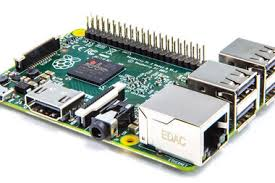
The Raspberry Pi has grown far beyond its original purpose as a simple educational computer. Today, developers, students, engineers, and businesses continue discovering new raspberry pi uses across industries ranging from smart automation to artificial intelligence. Before starting any advanced project, however, it is essential to understand how to power a raspberry pi correctly to ensure system stability and long-term reliability. With proper setup and configuration, Raspberry Pi becomes a powerful, compact, and cost-effective solution capable of handling a wide range of innovative applications.
Why Raspberry Pi Remains So Popular
Raspberry Pi’s popularity comes from its unique combination of affordability, flexibility, and strong community support. Despite its small size, it operates as a fully functional computer capable of running Linux-based operating systems, supporting programming environments, and connecting to a wide range of peripherals.
Its GPIO (General Purpose Input/Output) pins allow users to directly control electronic components, which opens the door to hardware-based projects beyond typical computing applications.
Educational and Academic Applications
Raspberry Pi was originally created to promote computer science education, and it continues to play a central role in classrooms worldwide. Schools and universities use it to teach:
- Programming languages such as Python and C++
- Linux system administration
- Networking fundamentals
- Hardware interfacing
- Embedded systems design
Because it is affordable, institutions can provide hands-on experience to large groups of students without high infrastructure costs.
Smart Home Automation Systems
One of the most common Raspberry Pi uses is home automation. With the right software platform, Raspberry Pi can serve as a smart home hub, integrating and controlling:
- Lighting systems
- Climate control devices
- Smart security cameras
- Motion sensors
- Automated door systems
Users can create centralized dashboards to manage multiple devices, improving convenience and energy efficiency.
Media Centers and Streaming Solutions
Raspberry Pi can function as a media server or streaming hub using platforms like Kodi or Plex. It can store and stream multimedia content, connect to smart TVs, and serve as a personal entertainment center.
Its HDMI output and compact size make it ideal for installation behind televisions, offering a clean and efficient setup.
Internet of Things (IoT) Projects
The Raspberry Pi is widely used in IoT development due to its built-in networking capabilities. It can collect data from sensors, process information locally, and transmit results to cloud platforms.
Typical IoT applications include:
- Smart weather stations
- Energy monitoring systems
- Industrial equipment tracking
- Environmental sensors
- Agricultural automation
Its ability to handle both hardware and software components makes it ideal for IoT prototyping and deployment.
Robotics and Intelligent Systems
In robotics, Raspberry Pi often serves as the central processing unit controlling motors, cameras, and sensors. Combined with AI libraries, it enables:
- Autonomous navigation
- Object detection
- Facial recognition
- Machine learning experiments
- Surveillance robots
Because of its compact size and energy efficiency, it integrates easily into robotic frameworks.
Web Servers and Development Environments
Developers frequently use Raspberry Pi as a lightweight web server or development platform. It can host:
- Small business websites
- Internal company dashboards
- API testing environments
- Database systems
For startups and small organizations, Raspberry Pi offers a cost-effective alternative to traditional server hardware.
Network Monitoring and Security Tools
IT professionals use Raspberry Pi for network analysis and cybersecurity applications. It can function as:
- A firewall
- A VPN server
- A network traffic monitor
- A packet analyzer
- An intrusion detection system
Its low energy consumption makes it suitable for continuous operation without excessive power costs.
Digital Signage and Retail Applications
Retail businesses often deploy Raspberry Pi for digital signage. It controls display screens showing advertisements, menus, or announcements. Compared to traditional digital signage controllers, Raspberry Pi offers:
- Lower hardware costs
- Easy remote updates
- Flexible customization
- Compact installation
This makes it highly attractive for commercial use.
Edge Computing and AI Applications
With advancements in processing power, Raspberry Pi models now support lightweight artificial intelligence tasks at the edge. Developers use it for:
- Image processing
- Smart cameras
- Object recognition systems
- Predictive maintenance tools
- Edge-based analytics
Edge computing reduces dependency on cloud services and improves response speed in real-time systems.
Industrial Automation and Monitoring
Raspberry Pi is increasingly adopted in industrial environments. It supports:
- Machine condition monitoring
- Production line data collection
- Automated alerts and notifications
- Energy consumption tracking
Its adaptability allows engineers to build customized monitoring solutions at lower cost compared to proprietary systems.
Smart Agriculture Solutions
Agricultural technology has embraced Raspberry Pi for smart farming applications. It helps monitor:
- Soil moisture
- Temperature and humidity
- Irrigation systems
- Crop health indicators
Automated systems powered by Raspberry Pi increase efficiency while reducing manual labor.
Retro Gaming Consoles
A popular hobbyist use of Raspberry Pi is building retro gaming systems. By installing emulation software, users can recreate classic gaming consoles in a compact and affordable setup.
This highlights the board’s ability to combine performance with entertainment applications.
Portable and Battery-Based Systems
Raspberry Pi is suitable for portable solutions such as:
- Mobile monitoring stations
- Drones
- Portable data collection units
- Temporary exhibition setups
With appropriate power management and battery configurations, it operates efficiently outside fixed installations.
Expanding Capabilities with HATs and Accessories
The Raspberry Pi ecosystem includes numerous HATs (Hardware Attached on Top) that expand its functionality. These accessories enable:
- Touchscreen interfaces
- GPS modules
- Motor drivers
- Audio enhancement boards
- Power backup modules
This modular approach allows users to customize systems based on project requirements.
Long-Term Project Considerations
When planning long-term Raspberry Pi deployments, consider:
- Stable power supply
- Effective cooling mechanisms
- Protective casing
- Network reliability
- Regular system updates
These elements ensure consistent operation and reduce downtime in critical applications.
The Importance of Proper Configuration
To maximize performance, users should ensure:
- High-quality SD cards
- Adequate RAM selection
- Optimized operating systems
- Correct power ratings
- Reliable peripheral compatibility
Attention to these details significantly improves system stability and lifespan.
Final Thoughts
Raspberry Pi continues to demonstrate how powerful compact computing can be. From education and robotics to industrial automation and artificial intelligence, its adaptability makes it one of the most versatile development platforms available today.
With proper setup, stable power management, and thoughtful project planning, Raspberry Pi unlocks countless possibilities for innovation. Whether you are experimenting with your first DIY project or deploying a commercial solution, this compact board offers scalable, efficient, and affordable computing for modern technological demands.