Key Defects to Look for in Rolls-Royce Engines Using Borescopes
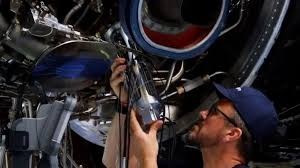
Aviation maintenance relies heavily on precision inspection, and one of the most effective tools in this process is the borescope. Rolls-Royce engines, known for their complex design and superior performance, require detailed internal examinations to ensure safety and reliability. Using a Borescope for Rolls Royce engine inspections helps maintenance teams detect issues early, prevent costly repairs, and maintain airworthiness standards.
The Role of Borescopes in Engine Inspection
Modern borescopes offer advanced optical clarity, high-resolution imaging, and flexible articulation that allow technicians to navigate intricate components without disassembly. For Rolls-Royce engines, where parts are tightly packed and highly sensitive, this non-invasive inspection method is invaluable. A borescope can be inserted through existing access ports to capture clear visuals of turbine blades, combustion chambers, and other internal parts. This saves significant time while providing a detailed look at the health of each component.
Detecting Cracks and Fractures
One of the primary issues detected using a Borescope for Rolls Royce engine maintenance is cracking. Turbine blades, vanes, and discs are subjected to extreme temperatures and centrifugal forces during operation. Over time, microscopic cracks can develop due to thermal fatigue or stress. If left unnoticed, these fractures can grow and compromise the entire turbine assembly. A borescope inspection helps identify such early signs of damage, enabling timely repairs or part replacements before they escalate into serious safety hazards.
Identifying Corrosion and Oxidation
Corrosion is another critical problem that can affect engine performance. Rolls-Royce engines operate in environments that expose them to humidity, salt, and temperature fluctuations, all of which can accelerate oxidation on metal surfaces. During borescope inspections, corrosion typically appears as discoloration, pitting, or surface roughness. Detecting it early ensures that affected parts are cleaned or replaced promptly, protecting the surrounding components from further degradation and maintaining engine efficiency.
Spotting Foreign Object Damage (FOD)
Foreign object damage remains a common concern in aviation engines. Small debris, sand, or loose metal fragments can enter the air intake and cause scoring or chipping on the turbine blades. Using a Borescope for Rolls Royce engine inspections allows maintenance personnel to visually confirm the extent of FOD without dismantling the engine. Identifying these defects early prevents imbalance, vibration, and reduced engine thrust, ensuring optimal performance and longer component lifespan.
Assessing Thermal Distortion and Burn Marks
Rolls-Royce engines operate at extreme temperatures, making them prone to thermal distortion. Overheating can cause the metal to warp, bend, or change color. Borescopes equipped with high-intensity lighting can reveal heat-induced damage in combustion liners and turbine sections. These visible indicators, such as burn marks or melted coatings, provide crucial clues about temperature irregularities, improper fuel combustion, or cooling system inefficiencies that need to be addressed immediately.
Detecting Erosion and Material Wear
Another key defect that can be identified using borescopes is erosion. The constant high-speed flow of air and fuel mixture gradually wears away protective coatings and edges on turbine blades and compressor sections. This not only reduces aerodynamic efficiency but also affects balance and airflow. During inspections, technicians look for dull, uneven surfaces or thinning edges that indicate excessive wear. Timely detection allows for re-coating, polishing, or part replacement to restore performance.
Ensuring Continuous Reliability
Consistent borescope inspections are essential for maintaining the legendary reliability of Rolls-Royce engines. By integrating periodic internal checks using advanced optical tools, maintenance teams can build a detailed log of engine health over time. These visual records help in trend analysis, predictive maintenance, and overall cost reduction. The ability to pinpoint even the smallest defect early contributes to safety, operational uptime, and extended engine service life.
Final Thoughts
Using a Borescope for Rolls Royce engine inspections is not just a maintenance necessity—it is an investment in performance and safety. From detecting cracks and corrosion to spotting FOD and thermal damage, borescopes empower aviation technicians with unparalleled insight into engine conditions. As aircraft technology continues to evolve, precision inspection tools like borescopes will remain vital in ensuring that Rolls-Royce engines continue to deliver the power, reliability, and excellence they are known for.