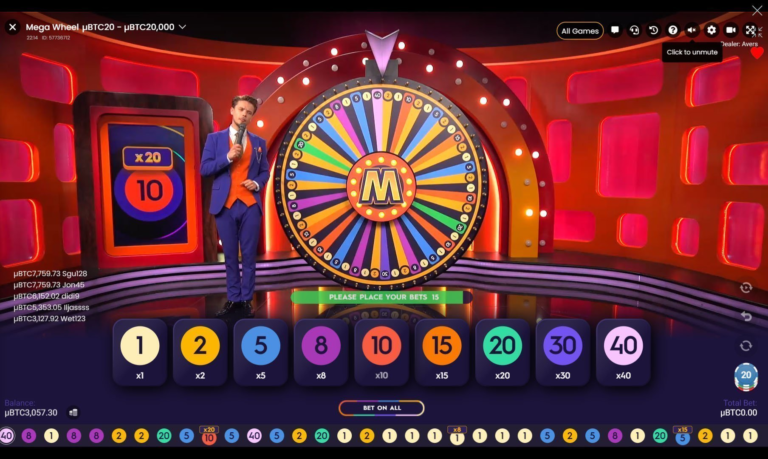
The Role of Visual Feedback in Online Color Prediction Games
Online color prediction games have become a popular form of digital entertainment, attracting players with their simplicity and fast-paced outcomes. While the mechanics of these games may appear straightforward, the design elements embedded within them play a crucial role in shaping player behavior. Among these elements, visual feedback stands out as one of the most influential. Visual feedback refers to the immediate visual cues that players receive after making a choice, such as animations, color changes, or celebratory effects. These cues are not merely aesthetic; they are psychological tools that influence engagement, emotions, and retention.
Defining Visual Feedback
Visual feedback in online color prediction games encompasses all the visual responses that occur after a player interacts with the platform. This includes the display of chosen colors, the reveal of outcomes, and the accompanying effects such as flashing lights, animations, or progress bars. The purpose of visual feedback is to provide clarity, reinforce actions, and enhance the overall experience. Without effective feedback, players may feel disconnected from the game, uncertain about their choices, or skeptical about fairness.
Enhancing Engagement Through Visual Cues
One of the primary roles of visual feedback is to enhance engagement. When players see immediate responses to their actions, they feel more connected to the game. For example, a correct prediction might trigger celebratory animations, while an incorrect one may display subtle cues of disappointment. These responses create a dynamic environment where every choice feels significant. Engagement is sustained because players are constantly receiving visual confirmation that their actions matter, even in a game governed by randomness.
Emotional Impact of Visual Feedback
Visual feedback also has a profound emotional impact. The excitement of seeing a winning color highlighted with bright effects or the frustration of watching a losing choice fade away intensifies the emotional experience. These emotions are central to the appeal of color prediction games, as they transform simple outcomes into memorable events. The emotional resonance created by visual feedback ensures that players remain invested, returning repeatedly to relive the highs and lows of the game.
Reinforcement and Motivation
Visual feedback serves as a reinforcement mechanism that motivates players to continue playing. Positive feedback, such as vibrant animations or congratulatory messages, reinforces the behavior of making predictions. Negative feedback, while less enjoyable, still motivates players by encouraging them to try again. This cycle of reinforcement sustains participation, as players are drawn to the anticipation of visual responses. The motivational power of feedback lies not in altering probabilities but in shaping perception, making each round feel rewarding regardless of outcome.
Building Trust Through Transparency
Trust is essential in online color prediction games, and visual feedback contributes to building it. Clear and immediate visual cues reassure players that their choices have been registered and that outcomes are revealed fairly. Transparency in feedback reduces suspicion of manipulation, as players can see the process unfold visually. Platforms like apk download that prioritize clear feedback demonstrate accountability, reinforcing the principle of fair play. Trust is strengthened when players feel confident that the visual responses accurately reflect their actions.
Preventing Cognitive Fatigue
Continuous decision-making in color prediction games can lead to cognitive fatigue, where players struggle to maintain focus and clarity. Visual feedback helps mitigate this by simplifying information processing. Instead of requiring players to interpret complex data, feedback provides immediate clarity through visual cues. This reduces mental strain and allows players to remain engaged for longer periods. By streamlining the decision-making process, visual feedback ensures that the game remains enjoyable rather than overwhelming.
read more : https://poetryaddiction.com/
Conclusion
The role of visual feedback in online color prediction games extends far beyond aesthetics. It enhances engagement, intensifies emotions, reinforces motivation, builds trust, and reduces cognitive fatigue. Visual cues transform simple predictions into immersive experiences, ensuring that players remain connected to the game. While outcomes are governed by randomness, the design of feedback shapes how those outcomes are perceived and remembered. Ultimately, visual feedback is not just a design feature but a psychological tool that defines the appeal and sustainability of online color prediction games.