Why Professional Light Design Makes All the Difference in Home Renovations
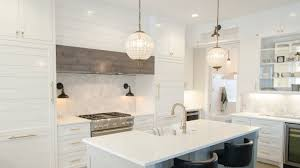
It takes more than new paint and furniture to make a house look better. They represent a transformation—a chance to redefine how each space feels, functions, and connects with those who live in it. Yet, one element often overlooked in the renovation process is lighting. The truth is, even the most stunning architectural design or high-end décor can fall flat without the right illumination. This is where light design plays a transformative role.
When thoughtfully planned and professionally executed, lighting does far more than brighten a room—it sets the mood, enhances aesthetics, and even impacts the functionality and comfort of a space. Let’s explore why professional light design is a cornerstone of successful home renovations and how it can elevate both style and practicality in your home.
The Foundation of Atmosphere
Lighting defines atmosphere. It’s the invisible brush that paints emotion across a room. Imagine walking into a living room softly lit with layered lighting—ambient fixtures, warm table lamps, and subtle accent lights that highlight artwork or architectural features. Now picture the same room flooded with harsh, single-source overhead light. The difference is not just visual; it’s emotional.
Professional light design ensures every fixture serves a purpose. Designers understand how brightness, color temperature, and direction interact to influence mood. For instance, warm lighting (around 2700K) creates a cozy and inviting feel—ideal for living rooms and bedrooms. Cooler tones (4000K–5000K), on the other hand, stimulate focus and clarity, making them perfect for kitchens, bathrooms, and workspaces.
By carefully layering these lighting types, professionals craft a cohesive environment where each moment feels intentional—whether it’s an evening gathering or a quiet reading session.
Function Meets Aesthetics
A home’s lighting should never be one-size-fits-all. Every room serves a distinct function, and the lighting must support that function without sacrificing beauty. This balance between practicality and style is where professional light design truly shines.
In kitchens, for instance, task lighting is crucial. Professionals strategically place under-cabinet LEDs or pendant lights to provide sufficient brightness for chopping, cooking, and cleaning. At the same time, ambient ceiling lights ensure the space feels open and welcoming. In bathrooms, designers use layered lighting to eliminate shadows around mirrors and to add ambiance for relaxing baths.
In living areas or hallways, accent lighting highlights architectural details such as wall textures, artwork, or statement furniture. The goal is to ensure that light not only serves a purpose but also draws attention to what makes the home unique.
When professionals approach a renovation, they see light as part of the design palette—just like color, material, and texture. This holistic mindset results in harmony across all elements of a space.
The Science Behind Perfect Placement
While many homeowners choose fixtures based on aesthetics, professional light designers think about placement first. The location and angle of each light source determine how effectively it illuminates the space.
For example, too much overhead lighting can cast unflattering shadows, while poorly positioned wall sconces can cause glare or uneven brightness. Professional light design takes these factors into account by using mathematical calculations and simulation tools to determine the ideal fixture locations.
Lighting professionals also consider natural light sources. They design artificial lighting plans that complement daylight instead of competing with it. This integration not only improves visual comfort but also enhances energy efficiency—reducing the need for artificial lighting during the day.
A well-balanced light plan feels effortless to the eye but is the result of meticulous technical planning and creative foresight.
Highlighting Architectural Features
Every home has details that deserve attention—whether it’s exposed beams, textured walls, or a stunning staircase. A professional lighting designer knows how to use illumination to celebrate these features.
With light design, the aim is to guide the eye subtly through the space. Recessed lights might emphasize ceiling height, wall washers can accentuate textures, and uplighting can bring drama to plants or art pieces. These techniques add depth and visual intrigue, making the architecture itself a focal point.
When done well, lighting makes a space come alive at night. Instead of feeling flat, the home gains a sense of movement and character, as if the walls themselves are part of the storytelling.
Personalization and Lifestyle Integration
No two homes—or homeowners—are the same. What works for one family may not suit another. Professional light design takes lifestyle into account, ensuring the lighting adapts to how you actually live.
A designer will consider questions like:
- How do you use each room daily?
- Do you entertain guests often or prefer quiet evenings?
- Is the home open-plan or divided into separate zones?
By understanding your habits and preferences, designers can create flexible lighting schemes. Dimmers, layered lights, and adjustable fixtures allow you to tailor the mood for different occasions—whether it’s hosting a dinner party or winding down with a book.
The end result is a home that doesn’t just look good in photos—it feels right to live in.
Enhancing Property Value
Good lighting isn’t just a design choice; it’s an investment. Homes with well-executed light design tend to have higher resale value because lighting highlights the best aspects of the property.
Real estate professionals often note that buyers are drawn to homes that “feel right” when they walk in. Lighting plays a major role in that first impression. Soft, balanced illumination can make rooms appear larger, ceilings taller, and finishes more refined. Conversely, poor lighting can make even a beautifully designed home feel cramped or outdated.
By hiring professionals, homeowners ensure that their investment in renovation delivers returns not only in comfort but also in future market appeal.
Avoiding Common Lighting Mistakes
DIY lighting often leads to frustration. Homeowners may spend hours installing fixtures only to realize the brightness is too harsh or that shadows ruin the effect they wanted. Professionals help you avoid these pitfalls through experience and planning.
Common issues such as uneven illumination, glare, or poor color rendering can be solved before they happen with expert guidance. Professionals select the right color temperatures for each room and ensure consistency across all fixtures. They also know how to control contrast and prevent “hot spots” that can disrupt visual harmony.
This level of precision not only creates comfort but also ensures that the design intention is fully realized.
The Emotional and Psychological Impact
Lighting has a profound influence on how we feel. Studies have shown that well-lit environments boost mood, reduce stress, and improve productivity. In contrast, poorly lit areas can make people feel sluggish or irritable.
Professional light design recognizes this psychological connection and uses it intentionally. For example, designers may suggest warmer tones in living spaces to evoke calmness, or brighter white light in home offices to enhance concentration.
When the lighting aligns with human rhythms—mimicking the natural progression of daylight—it can even improve sleep quality and overall wellbeing. Thus, investing in professional lighting isn’t just about beauty; it’s about creating a home that supports mental and emotional health.
Final Thoughts
Every successful home renovation shares one common trait: attention to detail. And few details have as profound an impact as lighting. Professional light design brings artistry and precision together, ensuring every corner of your home feels balanced, functional, and emotionally resonant.
By investing in expert guidance, you’re not just adding lights—you’re redefining how your home lives, breathes, and welcomes you each day. Whether it’s the soft glow of a reading nook or the vibrant illumination of a kitchen workspace, light, when designed with intention, has the power to turn an ordinary renovation into an extraordinary transformation.