Essential Skills Learned Through Makeup Courses for Beginners
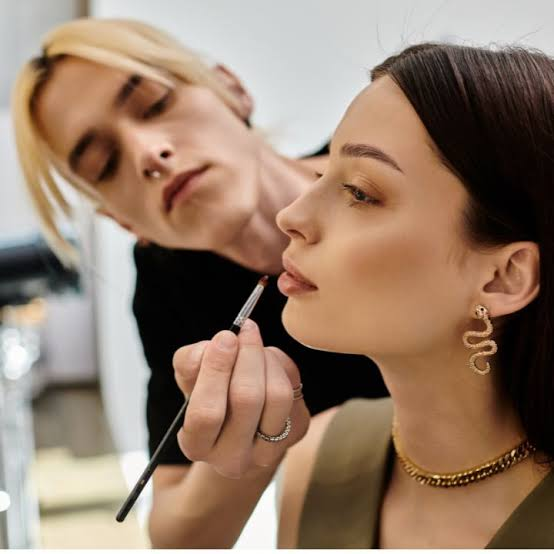
Beginner makeup classes offer a systematic education to any person, starting a professional or hobby in makeup artistry. This guide presents fundamental skills that can be normally taught and why formal training is important to new students. Every new student of a makeup course can refer to this summary to get a clue of what to expect.
Learning the skills learned through makeup courses for beginners
What beginner makeup courses typically cover
Beginner makeup courses offer the basics of makeup following different levels of abilities and objectives. Lessons tend to be a mixture of theory and practical application. This is a systematic method that guides learners to gain confidence as the course goes by.
Foundational application techniques
The basics of any level one (beginner) makeup course are application techniques. Training in correct blending, overlaying and placement of products will aid in smoother overall finishes. It is important to master these basics then move on to more complex techniques. Take this application techniques course in introductory courses into consideration:
● Base application: Base application builds a smooth natural-appearing canvas using learning even application.
● Blending techniques: To create a smooth transition of various makeup products it is beneficial to blend properly.
● Eye makeup basics: The basic use of eyeshadow placement aligns with and enhances flattering makeup of the eye.
● Precision techniques: Training on how to use it helps in creating clean lines on eyeliner and lip products.
Skin preparation and product knowledge
Knowing the skin preparation helps in the increased duration of application of makeup which is effective in general. Acquisition of new product formulations also enable the learners to choose appropriate products depending on the type of skin. This is one of the components of basic makeup training. Reflect on these product skills including the skills of skin preparation:
● Skin analysis: The identification of the type of skin is used to decide on appropriate products and preparation steps.
● Primer application: Practice in using primers helps in smoother application and longer life of the product.
● Knowledge of product formulation: It is essential to have knowledge of formulae that enable products to be paired to the needs of the skin.
● Hygiene practices: Understanding the correct hygiene can help maintain safe practices with clients.
Colour theory and matching
Colour theory is relevant when it comes to designing a balanced and flattering look of makeup. The knowledge of colour associations assists learners to make effective decisions on various skin tones and events. This understanding aids in more assured and imaginative makeup application. Look at these skills of colour theory in the introductory courses:
● Undertone identification: Identifying undertones will be able to pick foundation shades that match the skin.
● Complementary colours: The understanding of colour relationships aids in making a combination of eye and lips.
● Contouring principles: The art of light and shadows placement can be learnt to make the natural features of faces look better.
Building a professional makeup kit
Acquiring the knowledge of how to assemble an appropriate makeup kit is another valuable practical option of first-timers. The courses tend to lead the learners towards the choice of vital tools and products to be used in different applications. Professional, quality work is facilitated by the well-organized kit. When assembling a makeup kit, give the following factors some thought:
● Essential tools: It can be helpful to learn about the brushes and tools that will aid various styles of application.
● Product versatility: Choosing flexible products will assist in making different looks without necessarily having a big kit.
● Kit organization: This is because learning to organize well aids in effective accessibility when time is important in application.
Conclusion
Introduction to makeup courses offer fundamental knowledge in application, colour theory and make-up product knowledge. Organized training enhances quicker ability cultivation than self-educating solely. Developing such basic skills will continue to be important to anyone aiming at becoming a makeup artist.